Strength Training for Women: Building Muscle, Confidence, and Long-Term Health
For years, women were told to stick to cardio, light weights, and the idea of “toning” instead of truly building strength. But that narrative is shifting—and rightfully so.
More women are stepping into the weight room not just to change how they look, but to transform how they feel, move, and live.
If your goal is to build muscle, boost your metabolism, and feel stronger in your body, strength training isn’t optional—it’s essential.
Let’s break down how to do it effectively, safely, and in a way that actually gets results.
First—Let’s Bust the Biggest Myth
One of the most common fears I hear from women is:
“I don’t want to get bulky.”
Here’s the truth: building significant muscle takes intentional effort, time, and specific nutrition. It doesn’t happen overnight, and it definitely doesn’t happen by accident.
What will happen?
You’ll feel stronger
You’ll build lean muscle
You’ll improve body composition
You’ll boost confidence (big time)
Strength training doesn’t make you bulky—it makes you powerful.
The Foundations of Building Muscle
If you want real results, you need more than random workouts. You need a strategy.
1. Challenge Your Muscles (Yes, That Means Heavier Weights)
Your body adapts quickly. If you’re always lifting the same weights, your progress will stall.
To build muscle, your workouts need to:
Feel challenging
Push you outside your comfort zone
Create fatigue by the last few reps
A good rule of thumb:
If you can easily breeze through 12 reps, it’s time to go heavier.
The goal isn’t just to lift heavy—it’s to lift with control and proper form.
2. Reps, Sets, and Rest Matter More Than You Think
Your structure should match your goal.
For muscle growth:
Reps: 8–12
Sets: 3–5
Rest: 30–90 seconds
For strength focus:
Heavier weights
Lower reps (4–8)
Longer rest (2–3 minutes)
This is where intention comes in—don’t just move through workouts, train with purpose.
3. Consistency Beats Perfection Every Time
You don’t need a perfect plan—you need a plan you can stick to.
Aim for:
3–5 strength sessions per week
A structure that fits your life (not overwhelms it)
And one of the most underrated tools?
Tracking your workouts
Write down:
Weights used
Reps completed
How it felt
Because progress isn’t just about showing up—it’s about improving over time.
4. Prioritize the Right Exercises
Not all exercises are created equal.
If your goal is to build muscle efficiently, focus on compound movements first—these give you the most return for your effort.
Start your workouts with:
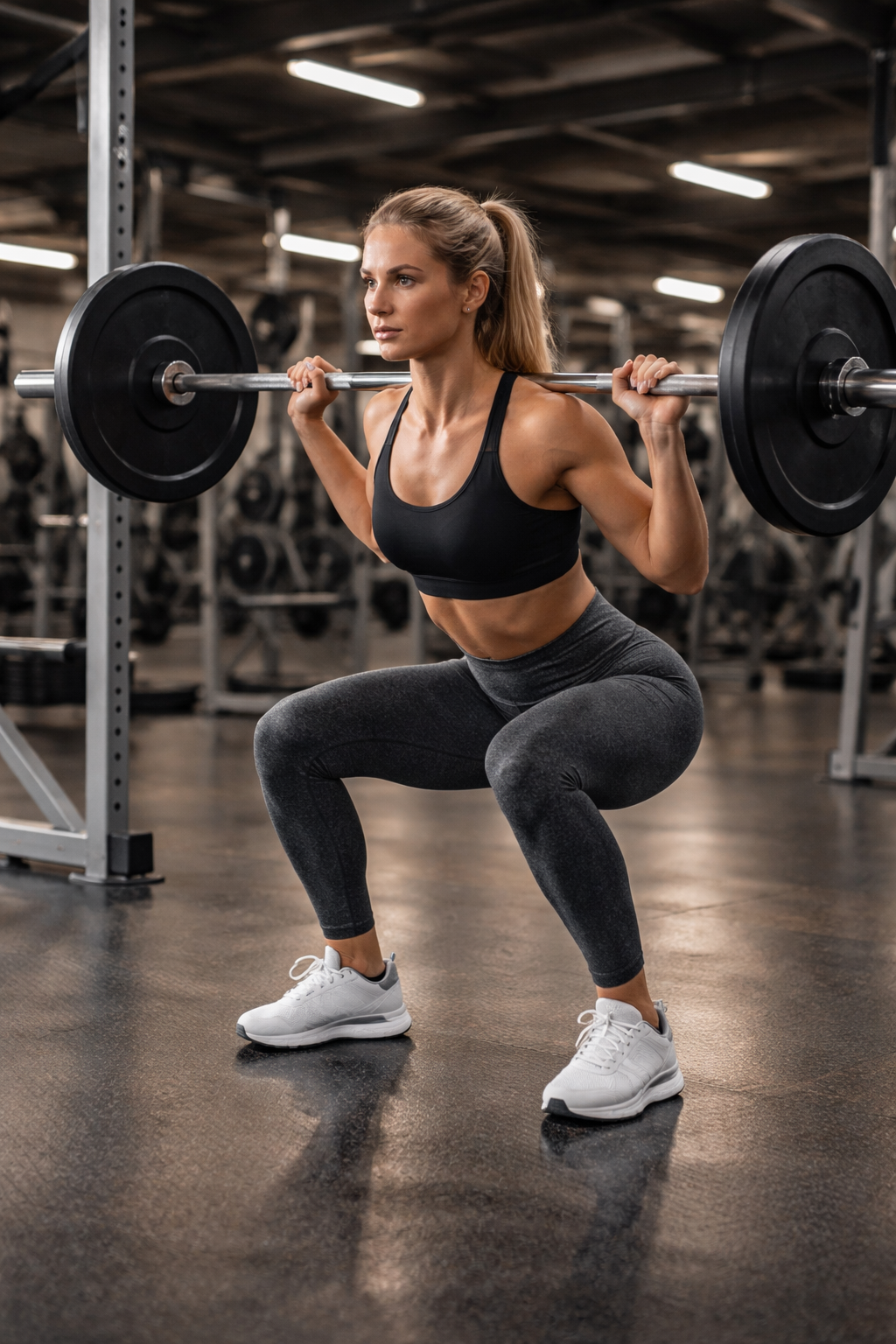
Squats (or squat variations)
Deadlifts
Chest presses
Rows or pull-downs
Shoulder presses
Then move into smaller muscle groups like:
Biceps
Triceps
Core work
This approach helps you build strength, improve coordination, and maximize results.
My Go-To Muscle-Building Movements for Women
Here are some staples I love incorporating into programs (and why):
Lower Body Power
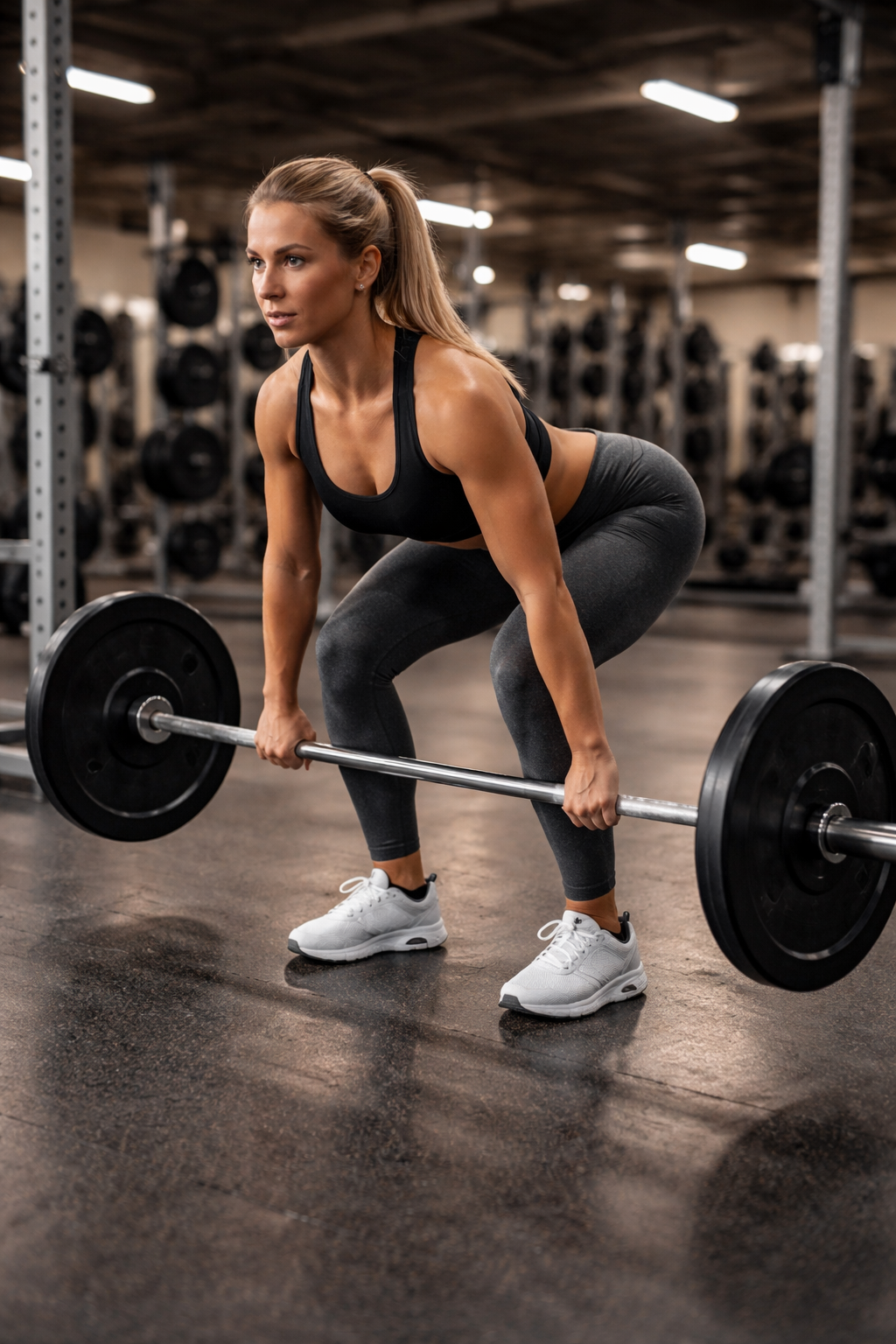
Squats → Glutes + quads
Deadlifts → Glutes, hamstrings, back
Upper Body Strength
Shoulder Press → Shoulders + upper body stability
Chest Press → Chest, triceps
Arm Definition
Bicep Curls → Strength + shape
Tricep Extensions/Kickbacks → Arm tone + strength
Focus on quality over quantity—form always comes first.
What Most Women Overlook (But Shouldn’t)
Building muscle isn’t just about lifting.
It also requires:
Protein intake to support muscle repair
Sleep for recovery and hormone balance
Rest days to allow muscles to rebuild stronger
This is where the magic happens—not just in the gym, but between sessions.
The Bigger Picture
Strength training is about so much more than aesthetics.
It supports:
Bone health
Metabolism
Hormone balance
Longevity
Mental resilience
And one of the most powerful shifts I see in my clients?
They stop focusing on shrinking their bodies
And start focusing on what their bodies can do
Final Thoughts
If you’ve been hesitant to lift heavier, take this as your sign.
Start where you are.
Stay consistent.
Challenge yourself.
And remember—
you’re not just building muscle…
you’re building strength, confidence, and a body that supports your life.